What B2B SaaS Is, With 12 Examples and What Each One Charges
B2B SaaS is software that one business rents from another over the internet: hosted and updated by the vendor, paid for by subscription, and bought by a team rather than a person. The letters unpack simply. B2B, business to business, says who the customer is: a company, not a consumer. SaaS, software as a service, says how it is delivered: nothing is installed, the vendor runs it, and the fee is monthly or yearly instead of a licence bought once. Slack, HubSpot, Salesforce, Notion, Stripe, Figma, Jira, Zendesk, Intercom, Gusto, Rippling, and Datadog are all B2B SaaS, and between them they show the four ways it is priced: per seat, per usage, per tier, and on quote. Every price below was read from the vendor's own pricing page on 15 September 2026, which is the fastest way to understand the category, because the pricing page is where a B2B SaaS company tells you who it is really for.
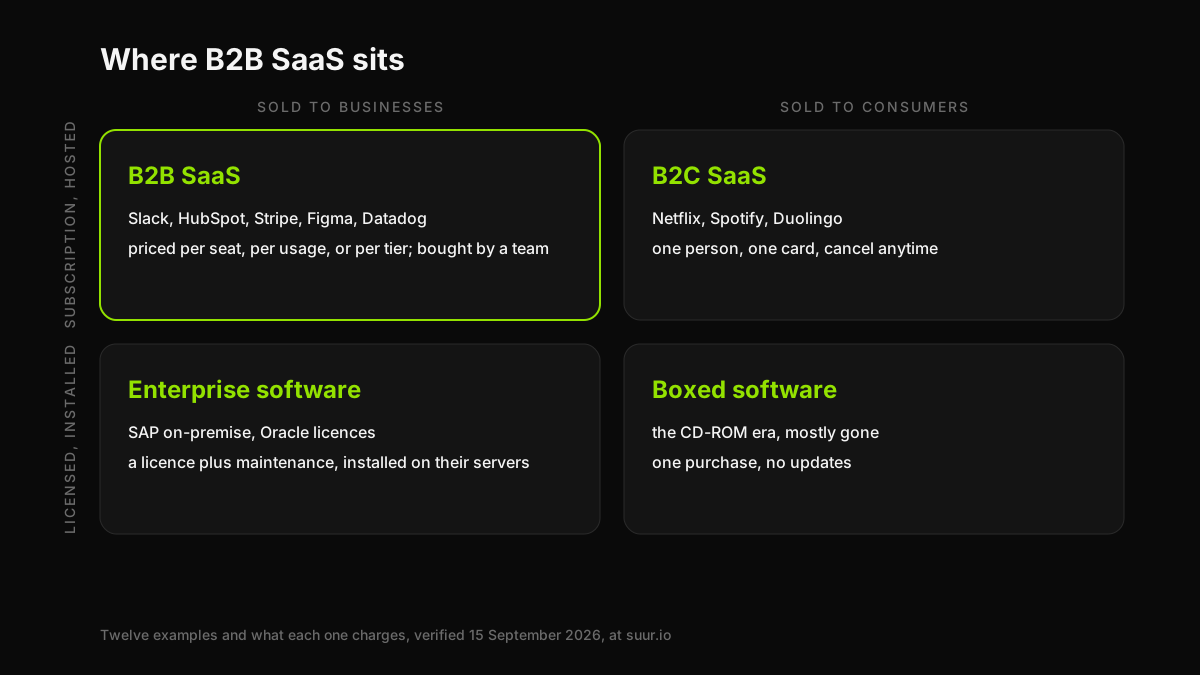
B2B SaaS versus the three things it is not
| Sold to businesses | Sold to consumers | |
|---|---|---|
| Subscription, hosted by the vendor | B2B SaaS. Slack, HubSpot, Stripe. Bought by a team, priced per seat, usage, or tier, renewed yearly | B2C SaaS. Netflix, Spotify, Duolingo. One person, one card, cancel anytime |
| Licensed, installed on the customer's servers | Enterprise software. SAP on-premise, Oracle. A licence plus a maintenance contract, an implementation, a data center | Boxed software. The CD-ROM era, mostly gone |
The two lines that matter: who signs, and where it runs. A B2B SaaS purchase is signed by a manager for a team, often after a trial and sometimes after a sales call, and the software runs on the vendor's infrastructure, so the customer never patches, hosts, or upgrades it. That second fact is why the category exists: the vendor ships improvements to everyone at once and charges rent for the privilege.
The four ways B2B SaaS is priced
Per seat. The oldest and most common: a price per user per month. Slack, Notion, Figma, Jira, Zendesk, and Intercom all lead with it. It scales with headcount, which is why B2B SaaS companies care so much about a product spreading inside a customer.
Per usage. A price per unit of the thing the product does: Stripe takes a percentage of each payment, Datadog charges per host monitored, Intercom's Fin charges per resolved conversation. Usage pricing is the fastest-growing model because AI features have costs that scale with use, not with seats.
Per tier. A monthly price for a bundle with limits: HubSpot's Starter, Professional, and Enterprise hubs, Gusto's Simple, Plus, and Premium. Tiers hide seats inside a package and step up on features.
On quote. No price on the page. Rippling, Salesforce's top edition, and every vendor's Enterprise plan. Quote pricing means a sales team, a contract, and a price that depends on who is asking.
Most companies use two or three at once, and the combination is the tell about their customer. Below are twelve, with what the pricing page said on 15 September 2026.
Twelve B2B SaaS examples, priced
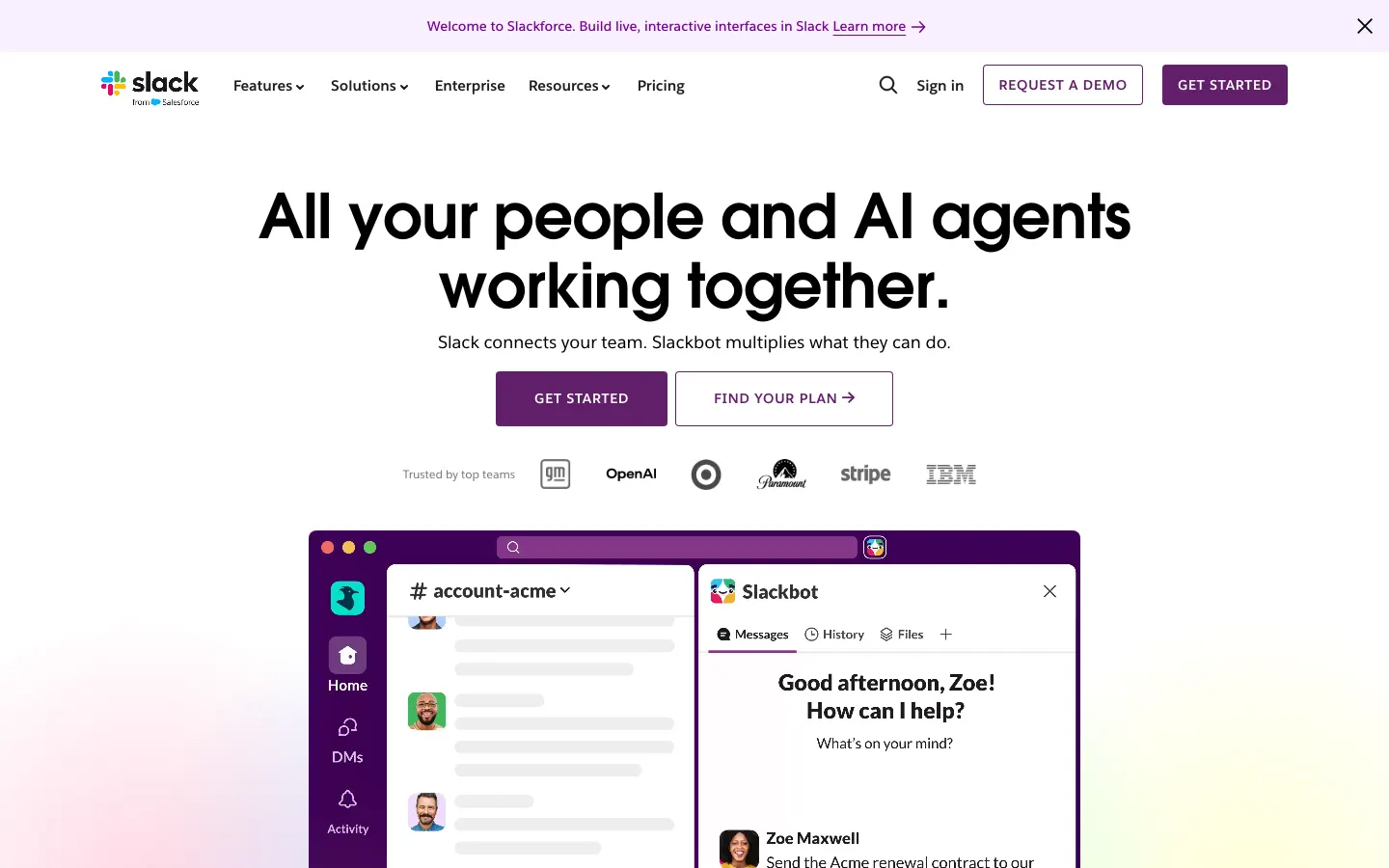
1. Slack (team messaging, per seat). Free, then Pro and Business+ per user per month, with Enterprise+ on quote. The pricing page localized to euros from our location: €6.75 and €15 per user a month on annual billing, €8.25 and €18 monthly, with a 50 percent promotion on the first three months. The canonical seat-priced product, now owned by Salesforce and sold as a place where people and AI agents work together.
2. HubSpot (marketing, sales, and service hubs, per tier). Marketing Hub Starter at $7 a month per seat; Professional at $800 a month including three core seats, plus $45 for each additional seat and a $3,000 onboarding fee; Enterprise at $3,600 a month including five seats, plus $75 per seat and a $7,000 onboarding fee. Tiers with seats inside, and the onboarding fee is the signal that Professional and up are sold, not self-served.
3. Salesforce (CRM, per seat by edition). Sales Cloud from Starter Suite at $25 per user a month billed annually, then Pro Suite at $100, Core at $195, Advanced at $395, and Max at $550 with Agentforce included and a sales contact required. The widest per-seat ladder in the category and the company that defined B2B SaaS in 1999.
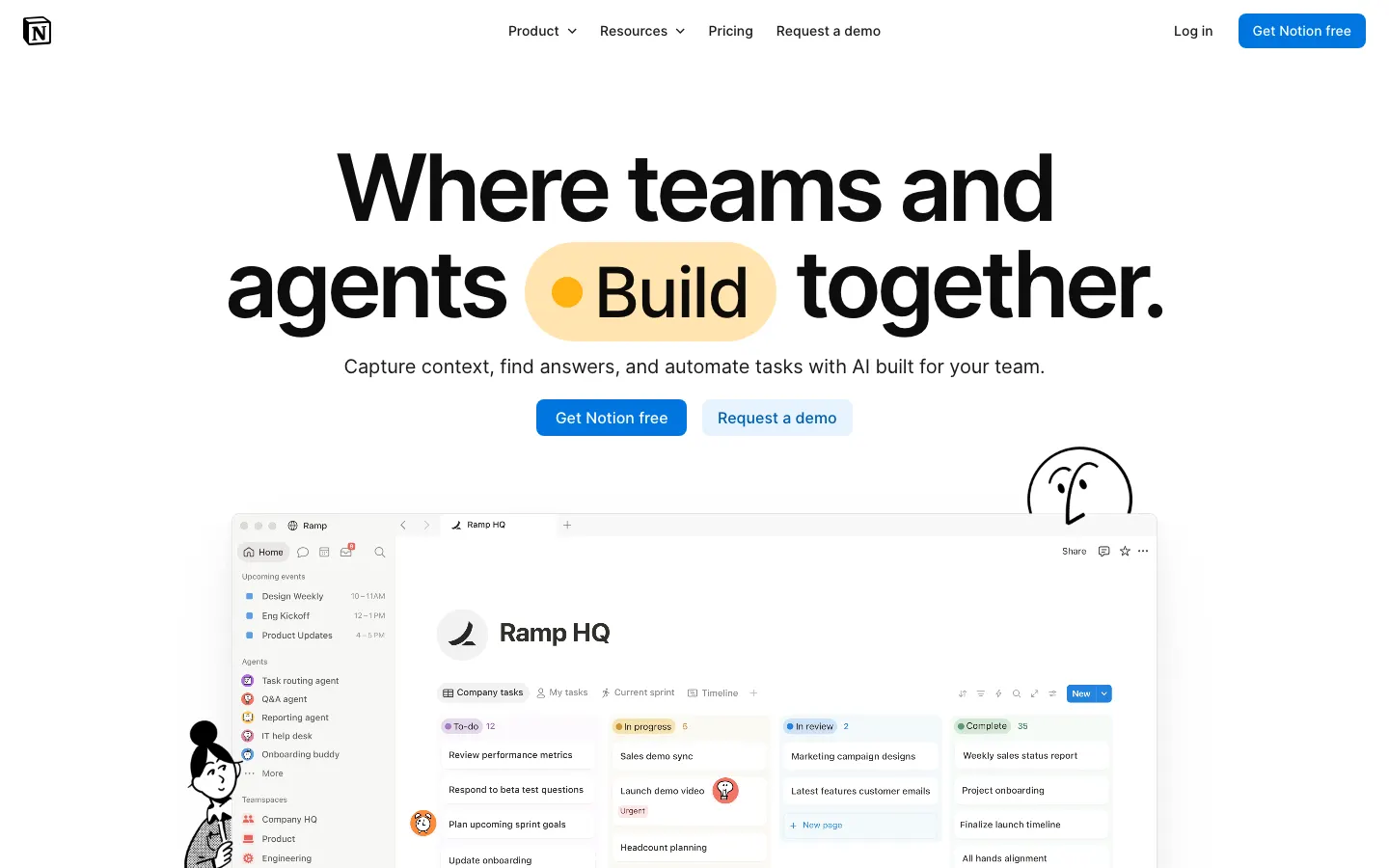
4. Notion (workspace, per seat). Free, then Plus and Business per member per month, Enterprise on quote; the page localized to €9.50 and €19.50 a month for us, with up to 20 percent off yearly, and custom agents free to try, then $10 per 1,000 credits. A product-led company: nobody sells it to you, it spreads.
5. Stripe (payments, per usage). 2.9 percent plus 30 cents per successful US card transaction, no monthly fee, no setup fee. Pure usage pricing: Stripe earns when its customers earn, and its pricing page is the shortest of the twelve.
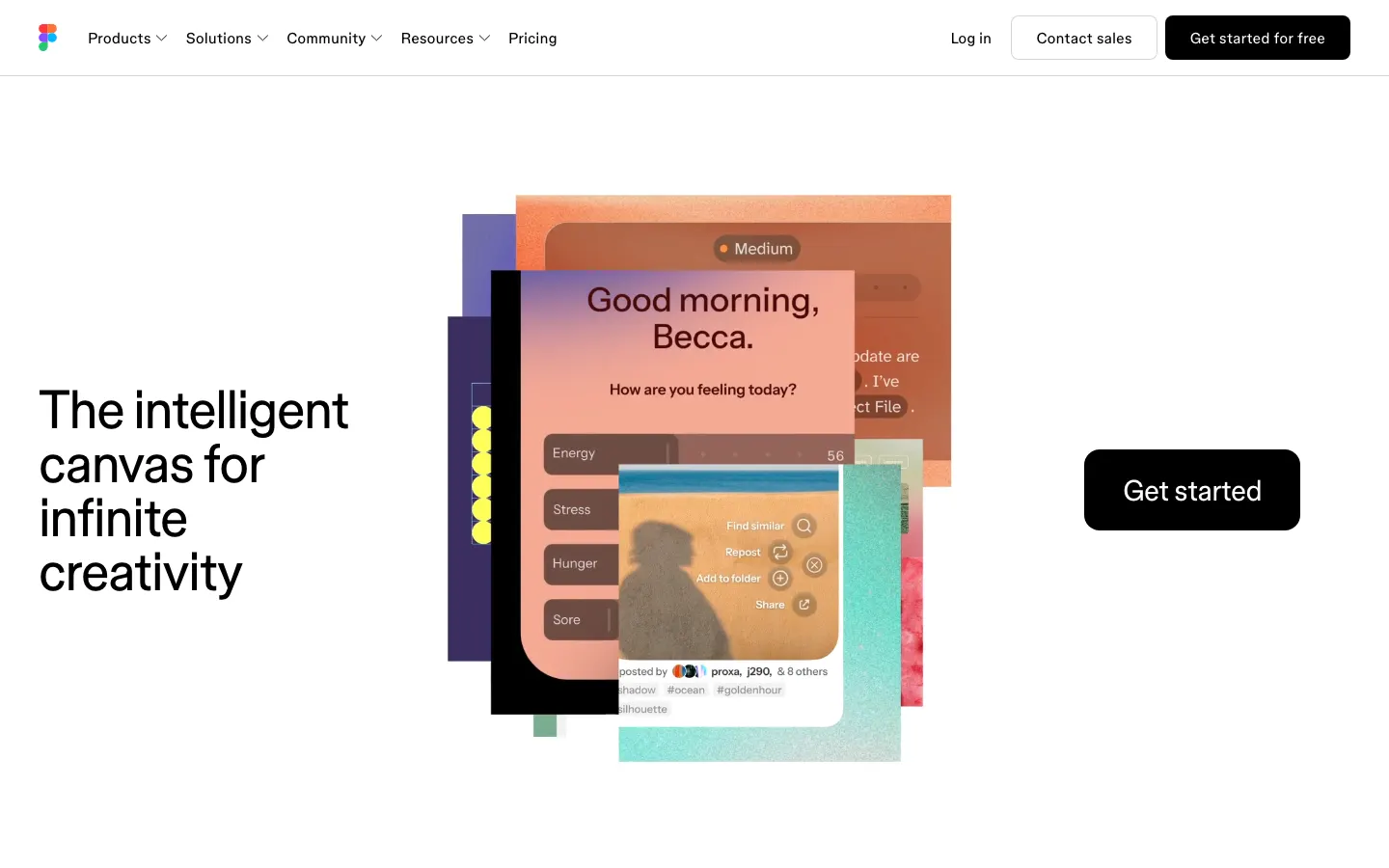
6. Figma (design, per seat). Starter free; Professional at $16 a month for a full seat; Organization at $55 and Enterprise at $90 per full seat, billed annually. Seat types are the second lever: a full seat costs more than a view or edit seat, and most of a Figma bill is deciding who needs which.
7. Jira by Atlassian (project tracking, per seat). Free for up to ten users, then Standard at $7.91 and Premium at $14.54 per user a month, Enterprise on quote. The free tier is sized to get a whole small team in before anyone pays, which is the product-led playbook in one number.
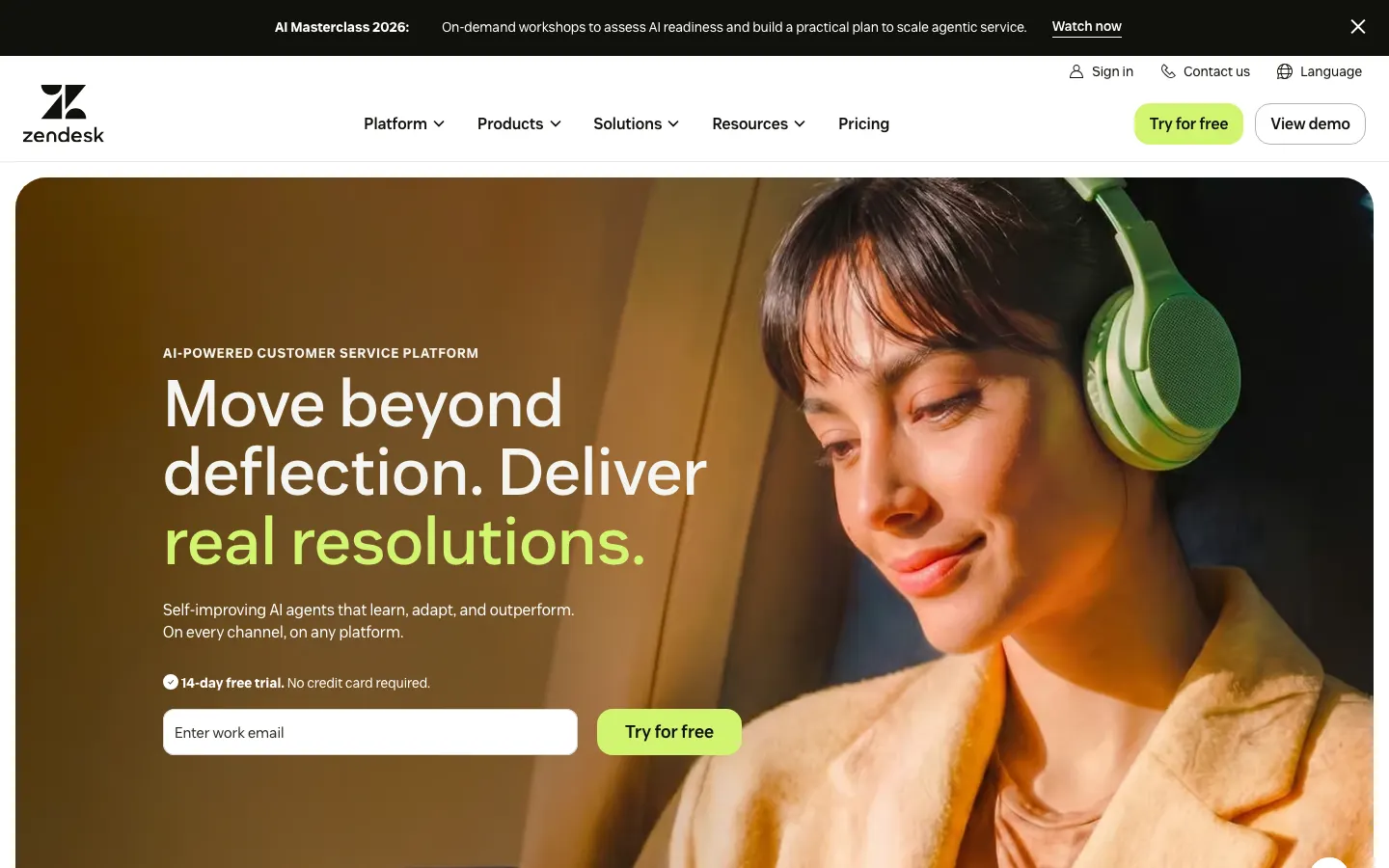
8. Zendesk (customer service, per agent). Suite Team at $55 and Suite Professional at $115 per agent a month paid yearly, Suite Enterprise with Copilot on quote. Seat pricing where the seat is called an agent, and where the AI features are pushing the vendor toward usage pricing on top.
9. Intercom (customer messaging, per seat plus per usage). Essential at $29, Advanced at $85, and Expert at $132 per seat a month on annual billing, and the Fin AI agent at $0.99 per outcome on every plan. Two models on one page: seats for the humans, usage for the AI. Its homepage banner on 15 September 2026 announced that Fin is now part of Salesforce.
10. Gusto (payroll and HR, per tier plus per person). Simple at $49 a month plus $6 per person, Plus at $80 plus $12, Premium at $180 plus $22, with a contractor-only plan at $35 plus $6. A base fee for the company and a per-head fee for the people, which is how most payroll and benefits software is priced.
11. Rippling (HR, IT, and finance, on quote). No published price on 15 September 2026; the pricing page is a form for a quote. Quote-only from the first dollar is the sign of a sales-led company selling a platform, not a tool.
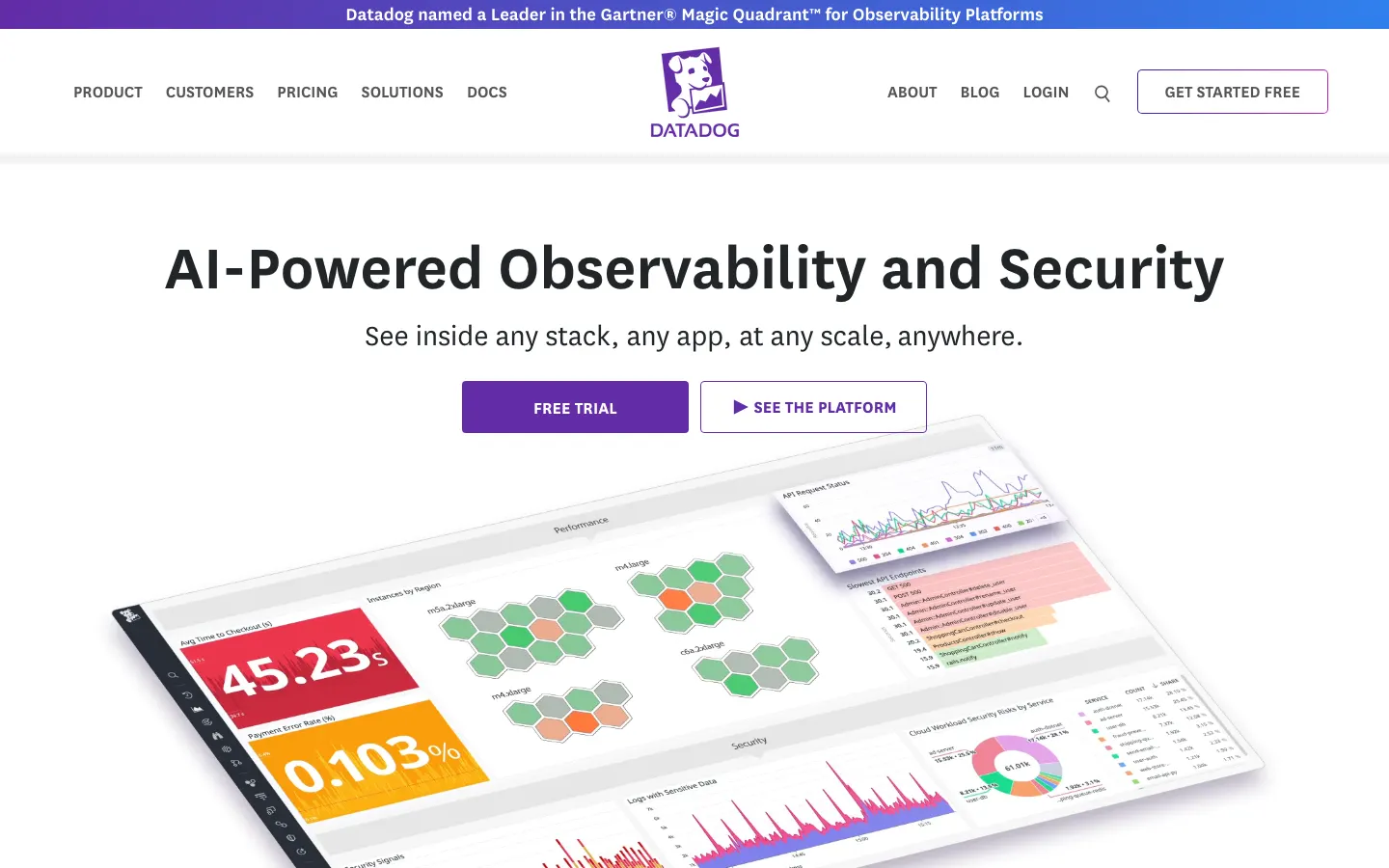
12. Datadog (monitoring, per usage). Infrastructure monitoring free for up to five hosts, then Pro at $15 and Enterprise at $23 per host a month on annual billing, with every other product priced by its own unit: logs by volume, traces by host, and so on. Usage pricing at its most granular, and the model that developer tools have mostly adopted.
What the twelve have in common
Every one of them publishes a free tier, a trial, or a starter price, and every one of them has a quote-only plan at the top. That is the shape of the category in 2026: product-led at the bottom, so a team can start without asking anyone, and sales-led at the top, where the contract, the security review, and the procurement team live. The AI features arriving across all twelve are pulling pricing toward usage, because an agent that resolves a ticket or writes a report has a cost per outcome that a seat price cannot carry.
What B2B SaaS means for the people building one
If you are building one, three things follow from the list. First, the pricing page is a product decision, not a marketing one: per seat, per usage, per tier, or on quote each attracts a different customer and a different sales motion, and the twelve above chose deliberately. Second, the free tier or trial is the front door, which means the first-run experience is the most important screen in the product; the design mistakes B2B startups make are mostly mistakes on that screen. Third, the marketing site and the product have to feel like one thing, because the visitor moves from one to the other in a single session.
That last one is the work we do. TripLeads.AI is a B2B SaaS we designed and built for travel advisors, lead capture and a pipeline for a niche that the general CRMs do not serve, with 76 prerendered marketing pages on the same stack as the product. For an enterprise product, the Apstra icon language is the design-system end of the same discipline. A B2B product's first version is a Product Sprint at $9,000 in five days when the scope is one flow, a SaaS Dashboard at $15,000 when it is one screen designed and coded, and the B2B and enterprise page is where the rest of that work lives.
The definition, once more
B2B SaaS is software a business rents from another business, hosted by the vendor, paid by subscription, bought by a team. It is priced per seat, per usage, per tier, or on quote, usually two of those at once. And the fastest way to understand any B2B SaaS company is to read its pricing page, which is why this post did.
Have a product idea?
Designed, built, and shipped in about 5 days.