Explainer Video vs Product Vision Film: Different Jobs, Different Budgets
An explainer video sells a product that already exists; a product vision film sells a future that does not, and confusing the two wastes the budget of whichever one you needed. The explainer's audience is a customer who has not bought yet, its job is to make the value obvious in about sixty seconds, and the market average for one is $8,746, from a 2026 survey of 110 real quotes across 152 studios, inside a range running from $950 to $250,000. The vision film's audience is investors, a board, or your own organization, its job is to make a future feel inevitable, and it lands at the agency end of that range, $15,000 to $100,000 and up, because it is a short film with no product to shoot. A third option has quietly taken most of the vision film's work: a clickable prototype. It costs less, it survives a real user, and we retired our own concept-film product because of it.
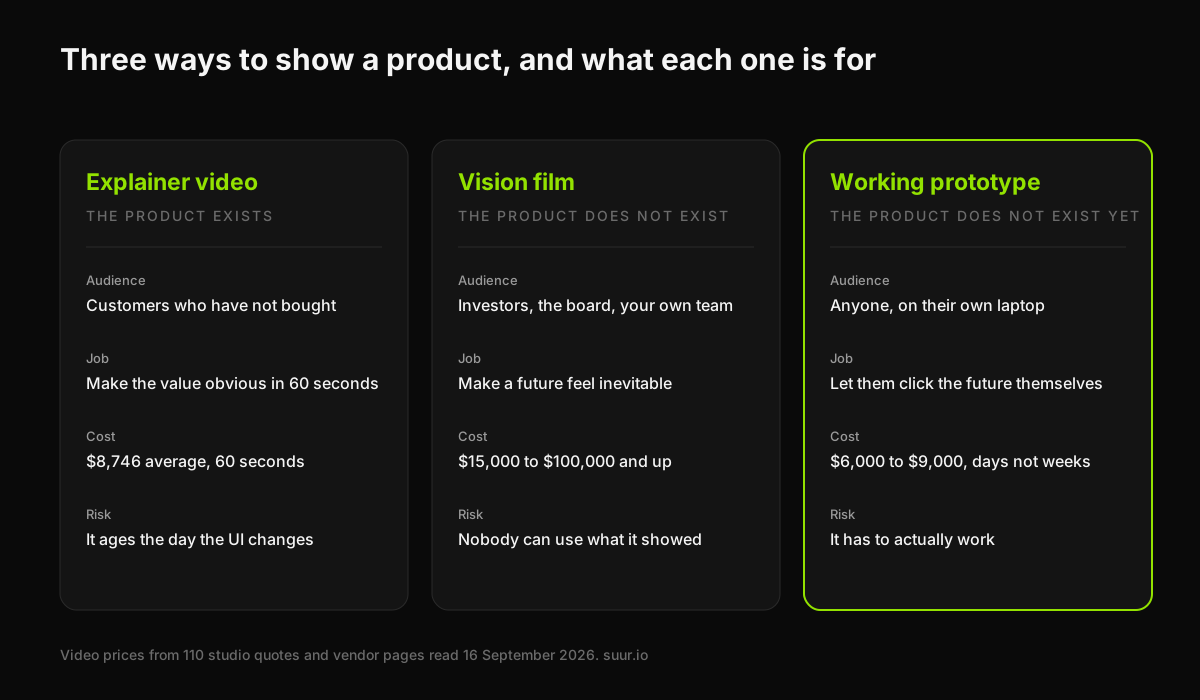
The two are not the same purchase
| Explainer video | Vision film | |
|---|---|---|
| The product | Exists, you can screen-record it | Does not exist, or not this version |
| Audience | Customers who have not bought | Investors, the board, the company |
| Job | Make the value obvious, fast | Make a future feel inevitable |
| Script | Problem, product, proof, call to action | A world, a person in it, a change |
| Length | 60 to 90 seconds | 90 seconds to 3 minutes |
| Typical spend | $2,500 to $10,000 from a studio | $15,000 to $100,000 and up |
| Shelf life | Until the interface changes | Until the roadmap changes |
The trap is buying one and briefing the other. A founder asks for an explainer, then fills the script with a future the product has not shipped, and the result is a video that cannot be run in an ad because it misrepresents what a customer would get. Or a team commissions a vision film and briefs it like a feature tour, and the result is expensive marketing for a roadmap.
What an explainer video costs in 2026
The clearest number in the category comes from Yans Media, which contacted 152 explainer video companies anonymously and collected 110 real quotes. The average for a 60-second video was $8,746, with individual quotes from $950 to $250,000. That spread is the whole story, so here is the same money by who is doing the work, from that study and Vidico's 2026 guide, both read on 16 September 2026.
| Who makes it | 60-second explainer |
|---|---|
| Do it yourself | $0 to $500 |
| AI video tools | $50 to $500 a month |
| Freelancer | $2,500 to $12,000 |
| Studio using AI in the pipeline | $1,500 to $2,500 |
| Production studio | $4,500 to $10,000 and up |
| Full-service agency | $15,000 to $100,000 and up |
By style, per finished minute: motion graphics $2,000 to $3,500, whiteboard $3,000 to $5,000, 2D animation $4,500 to $9,500, 3D from $5,500 into the tens of thousands. The line items that surprise people sit outside the quote: scriptwriting $500 to $1,500, voiceover talent $1,000 to $5,000, sound design and music $500 to $2,000, and a rush premium of 30 to 50 percent. Each extra 30 seconds adds roughly a quarter to a third to the total.
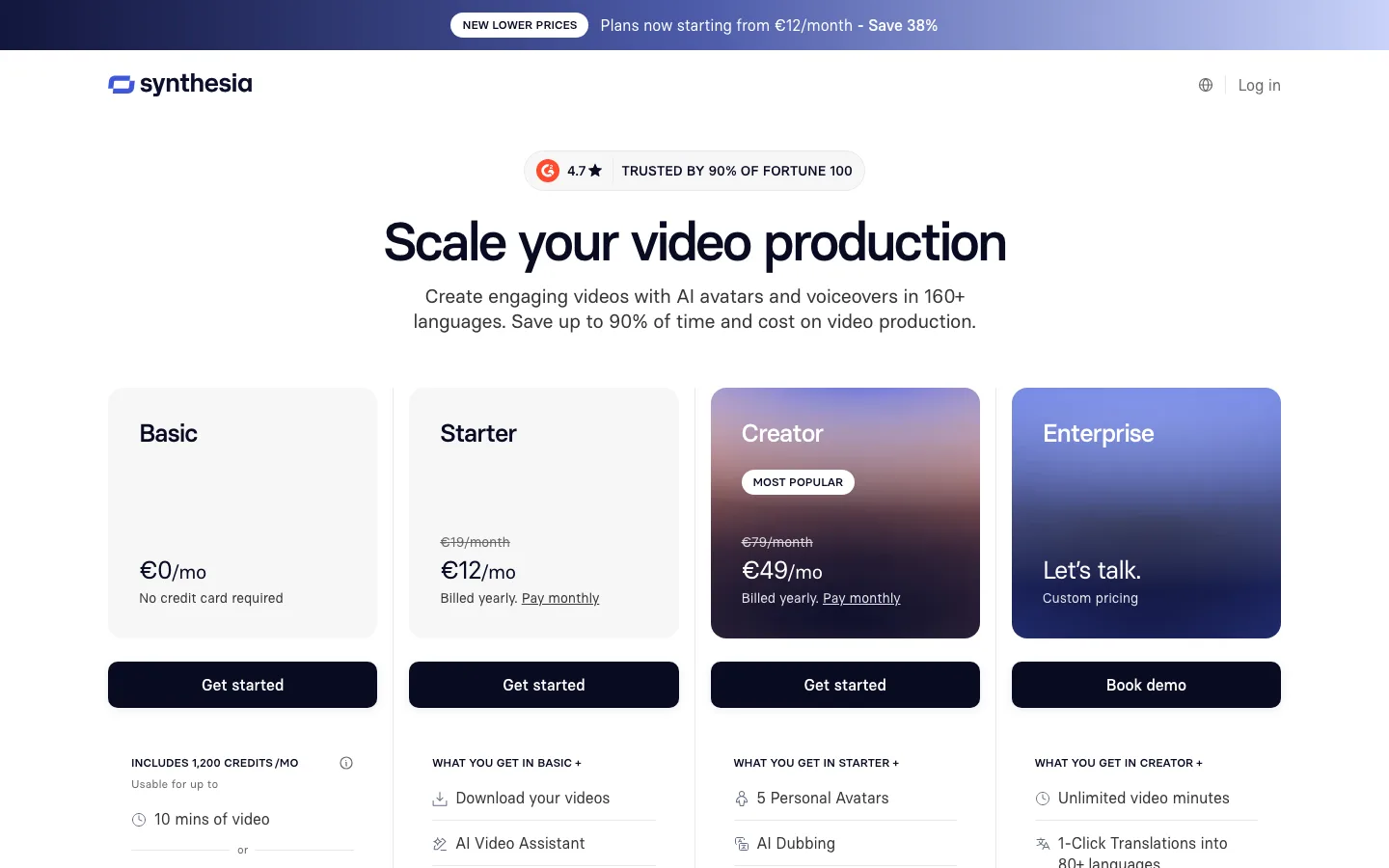
The AI tier is real and it is where the low end went. Synthesia's pricing page on 16 September 2026 showed a free plan with 1,200 credits and ten minutes of video, Starter at €12 a month billed yearly against €19 monthly, Creator at €49 against €79, and Enterprise on request; the page localized to euros from our location. An avatar reading a script over your screen recording is now a €12 purchase. It is genuinely good enough for internal training, release notes, and help-center clips. It is not good enough for the video at the top of your homepage, and anyone who tells you otherwise has not watched one at full attention.
Worth noticing: the studios themselves mostly will not print a number. Vidico's own pricing page is a two-minute quiz and a credit system rather than tiers. Sandwich, the studio that arguably invented the modern product explainer, publishes no price at all. The published figures in this post come from survey guides, not from the vendors, which is the same pattern we found in hotel booking engines last week: the category talks about price everywhere except on its own pricing pages.
What a vision film is for, and why they cost what they cost
A vision film shows a product, a service, or a company as it will be, before it is. Apple did it with Knowledge Navigator in 1987, Microsoft did it with the Productivity Future Vision series, and every autonomous vehicle company has done it since. In startups the same object shows up as the investor video, the all-hands film, or the concept piece that opens a keynote.
It costs what it costs because there is nothing to film. An explainer can screen-record the product and animate around it. A vision film has to fabricate every frame of an interface that does not exist, usually with actors, a location, and a score, which is why it sits at the agency end of the table above. Three quarters of that budget is production, not thinking.
And here is the problem with the object itself: nobody can use what it showed. The film ends, the room is moved, and the next question is always some version of "can I try it?" The answer is no, for another six months. The belief the film created starts decaying immediately, and the only thing that stops the decay is the product arriving.
The third option, which is why we retired ours
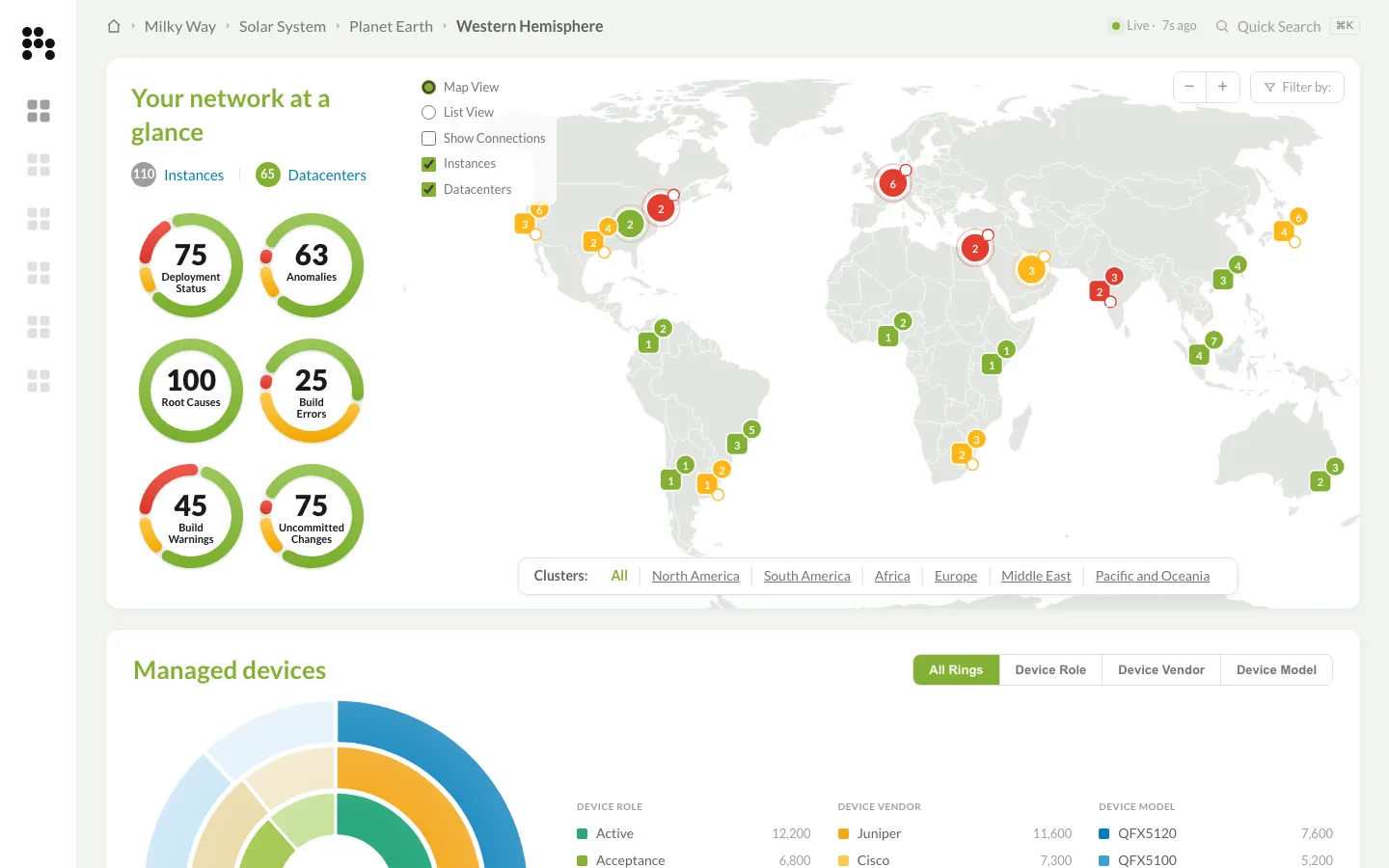
The screen above is not a still from a film. It is a working prototype, running in your browser right now, embedded in the Overseer case study: a single pane for operating data center fabrics across six continents, drilling from a whole-world view down to a single device, with about 27,000 devices in one rollup. It was built as the answer to a question a film would have been asked to answer, and six years later it still opens, still responds, and still makes the argument. A video of it would have aged; the prototype did not, because it was never pretending.
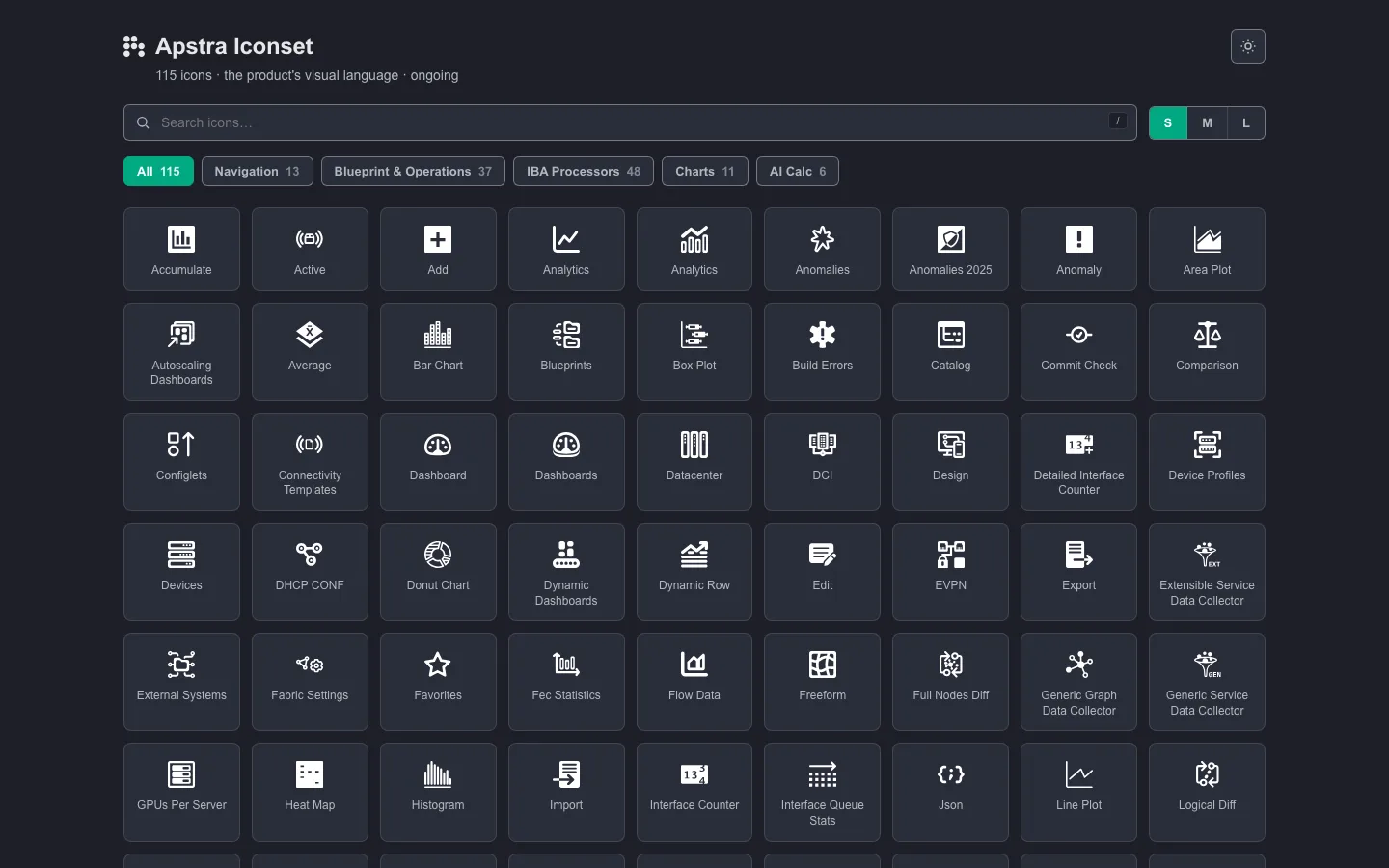
The same move again, smaller: the Apstra icon set ships as a searchable browser of 115 icons rather than a slide of them. A stakeholder does not watch it. They type into it.
This is why our own concept-film product no longer exists. We used to sell a Vision Prototype, and we retired it in September 2026 for a reason worth stating publicly: we had no shipped concept film to show, and every time a client asked for one, the honest recommendation was a prototype or a first version instead. The URL now redirects to the Product Sprint, which is $9,000 and five days for a working first version, or a Design Sprint at $6,000 for the screens without the code. Both cost less than the average agency vision film, and at the end of both someone can click the thing.
Which one to buy
- Your product exists and people do not understand it in ten seconds. An explainer video. Budget $4,500 to $10,000 for a studio, less with a freelancer, a few hundred for an AI tool if it is going in the help center rather than the homepage. Write the script yourself first; scripts are where explainers fail, not animation.
- Your product exists and the problem is the page, not the video. Fix the page. A video is the most expensive way to compensate for a homepage that does not say what the product does, and our landing page work starts at $3,500, which is less than the video.
- You are raising, and the story is a future. A vision film is legitimate here, and the agency price is the real price. Get the script to a place where it survives being read aloud with no pictures before anyone quotes production.
- You need a room to believe something, and they will ask to try it. Build the prototype. It is cheaper, it is reusable in sales calls and user tests, and it does not decay the day the roadmap moves.
- You need both. Build the prototype first, then film it. A vision film with a real interface in it is a different object: cheaper to produce, and it never has to lie.
The test for any of these: after the thing plays or the room closes, what can the audience do next? If the answer is "wait," you bought a film. If the answer is "open this link," you bought something that keeps working.
Have a product idea?
Designed, built, and shipped in about 5 days.